March 2026
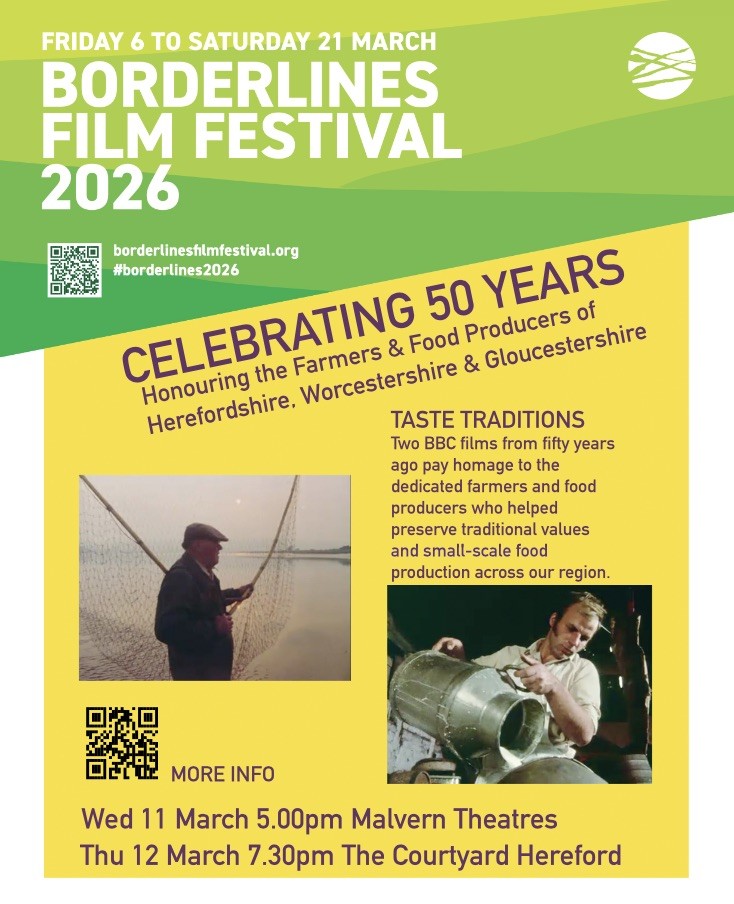
The Borderlines Film Festival were kind enough to screen two of my films at theatres in Malvern and Hereford.
When I made A Taste of Britain 50 years ago, my aim was to use stories about food to give voice to working farmers and fishermen. They had important things to say, and they could say it with deep knowledge and pride.
Their stories urged us to value the local against the national, to cherish the environment, and to keep traditions and community alive.
The Borderlines Film Festival were kind enough to screen two of my films at theatres in Malvern and Hereford.
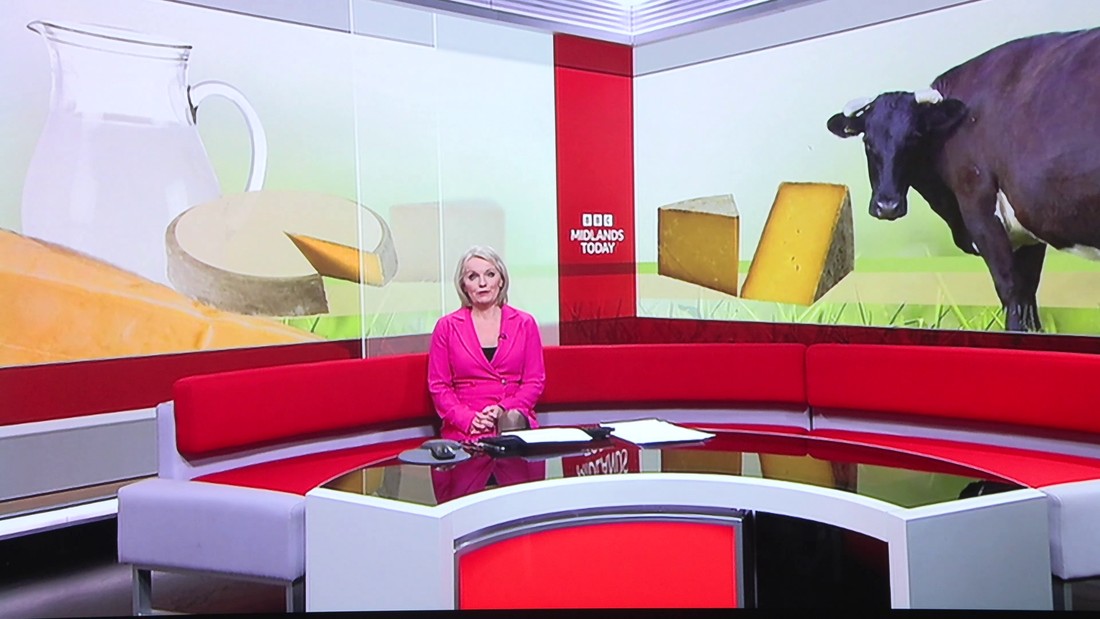
Midlands Today featured my first meeting with renowned cheese maker Charles Martell after 50 years
View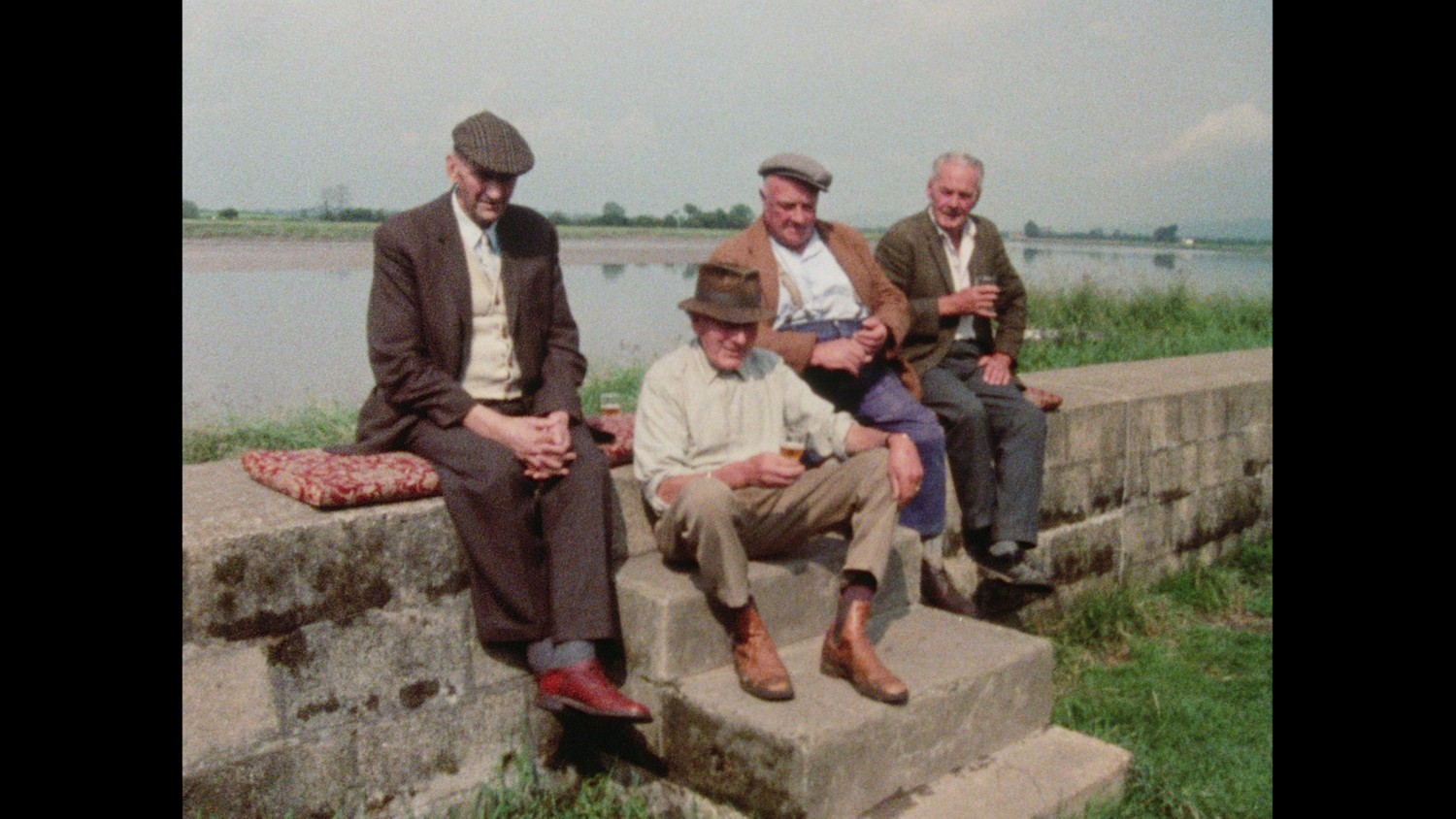
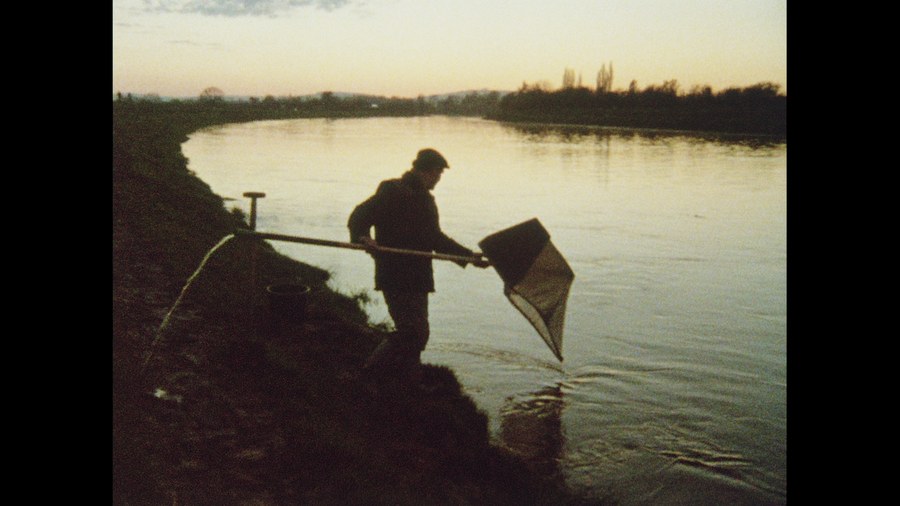
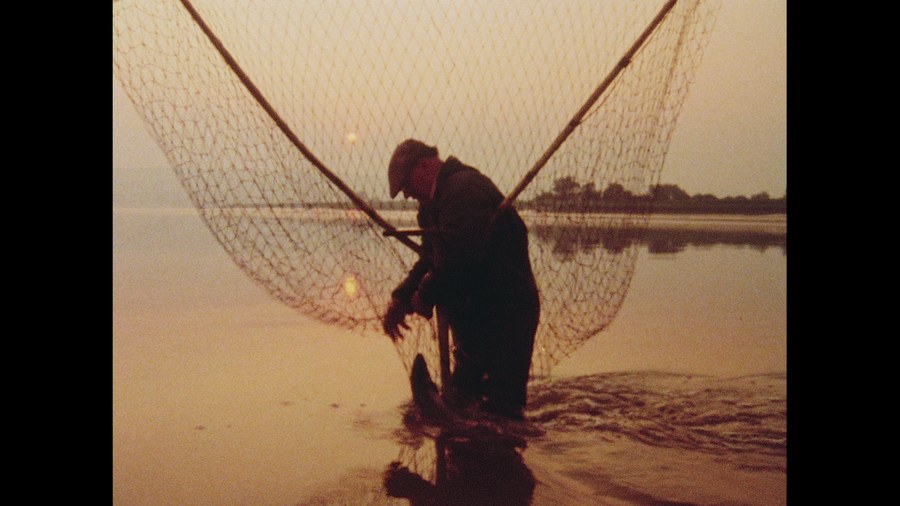
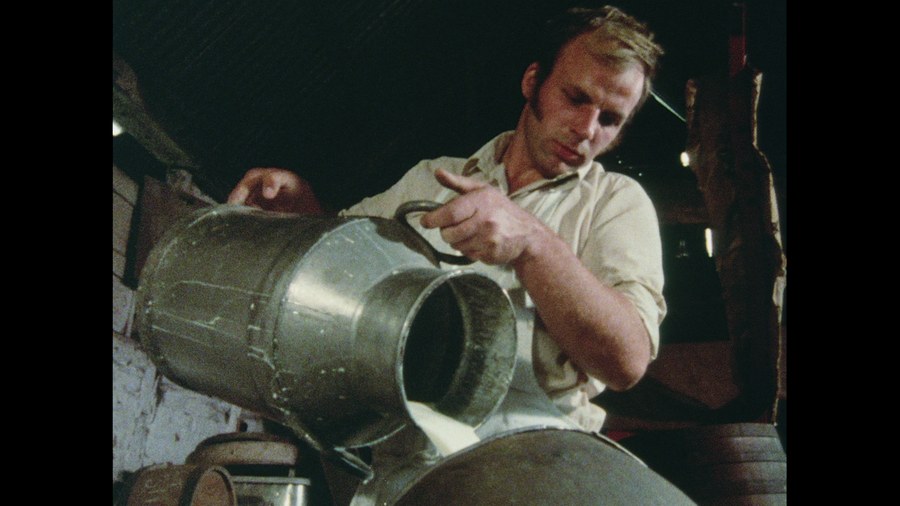
This was the first A Taste of Britain film I made, based around the River Severn. Charles Martell had one of the last herds of Gloucester cattle, and it was said that only milk from these cows could produce a genuine Double Gloucester cheese. So Charles tried, I filmed, and the rest is history — for both of us.
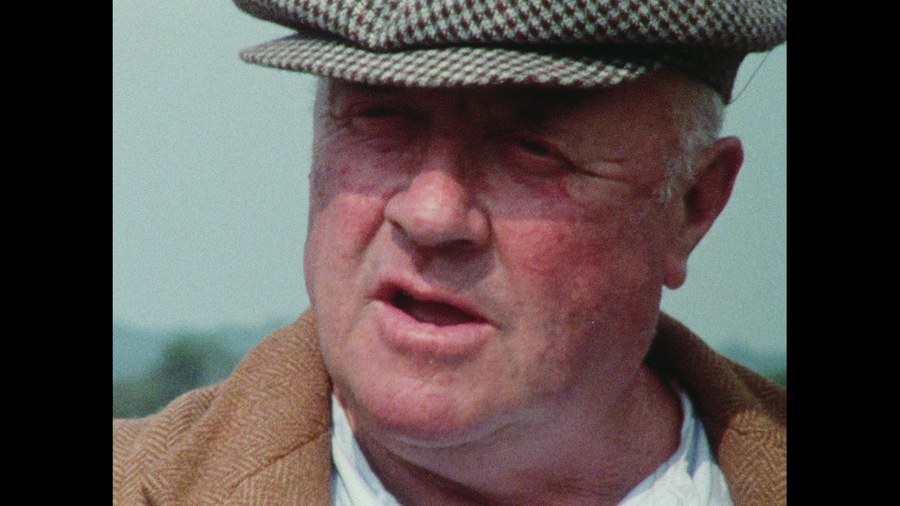
I found some wonderful old characters willing to talk about everything they cherished in local food: cider, elvers, the Gloucester Old Spot pig and salmon. At the end of the film is a sequence I remain particularly proud of, showing the Cadogan family of Awre fishing for salmon with lave nets.
Those old boys talking became the Greek chorus of the series.
View Film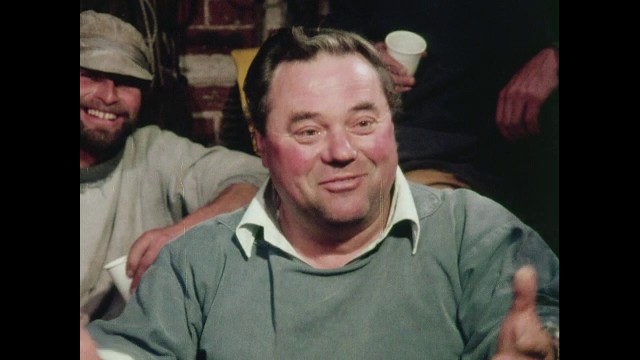
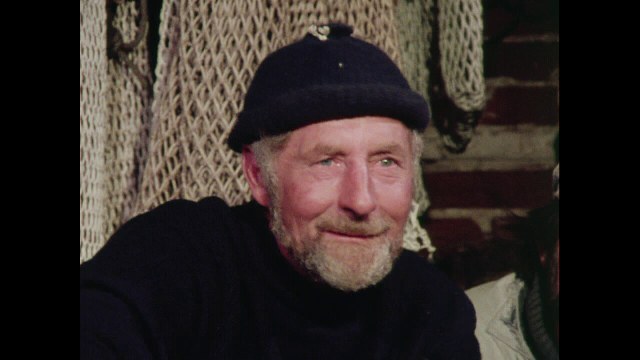
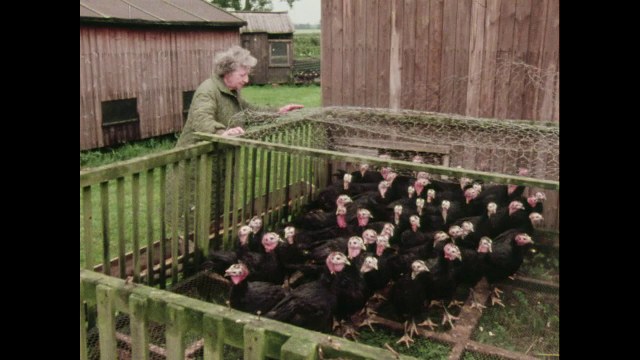
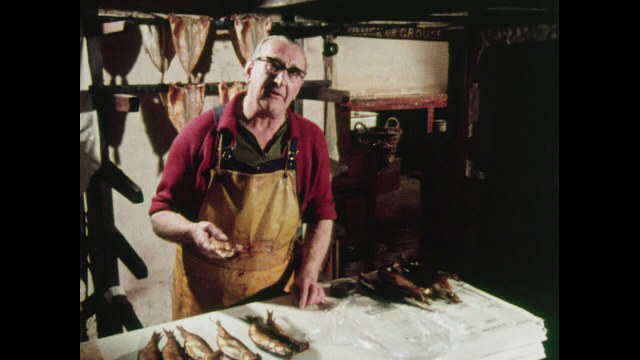
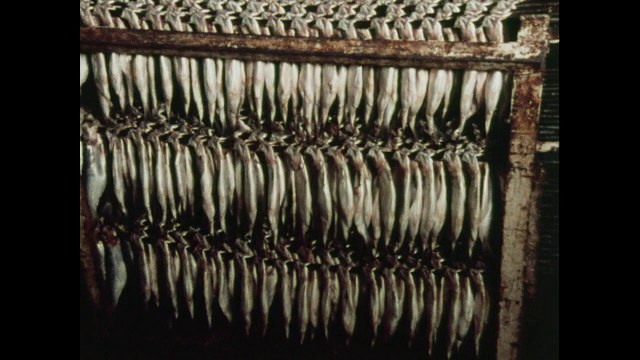
The North Norfolk coast is special. The fishermen at the whelkhouse at Wells next the Sea became the chorus for this documentary. They talked about what herrings used to be and described the smoking skills that Reg Reynolds used to turn them into the renowned golden red herrings.
At Blakeney, Ron Breese gathered samphire, then virtually unknown away from the coast. I also gained access to an intensive turkey unit so that I could contrast it with Reg Peel’s farm, where he reared one of the last remaining flocks of Norfolk Black turkeys.
View Film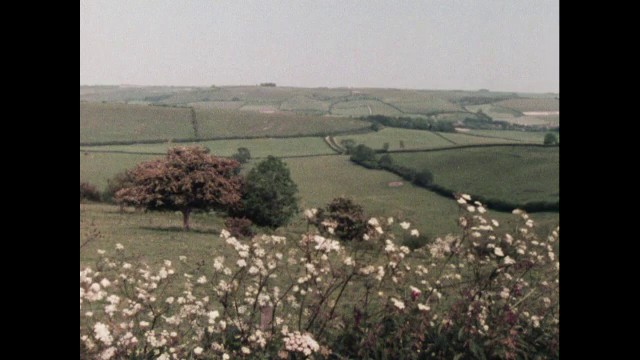
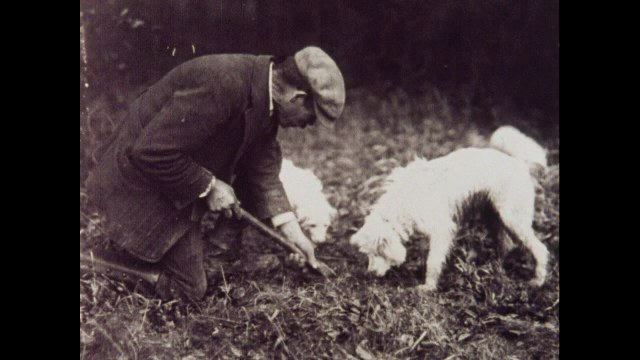
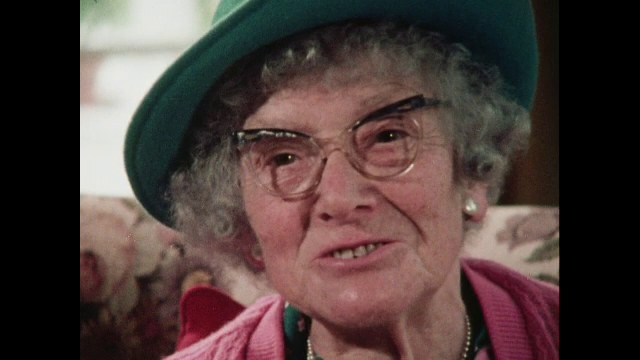
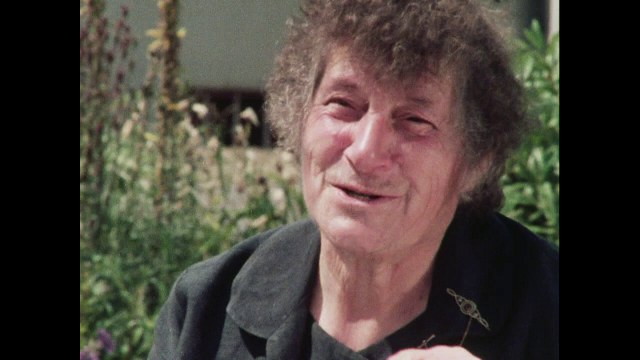
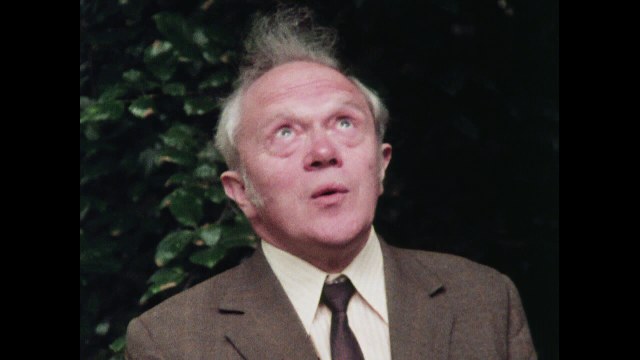
This proved to be something of a quest film. I researched the history of truffle hunting in England and tracked down Lillian, the daughter of Alfred Collins, the last professional English truffle hunter. I also filmed freshwater crayfish and watercress, both already showing the effects of deteriorating water quality.
Then I discovered Thomas Hardy’s former parlour maid, who told me about the writer’s fondness for the Dorset Knob. The film ends with my attempt to solve the mystery of who was still producing genuine Dorset Blue Vinny cheese.
View Film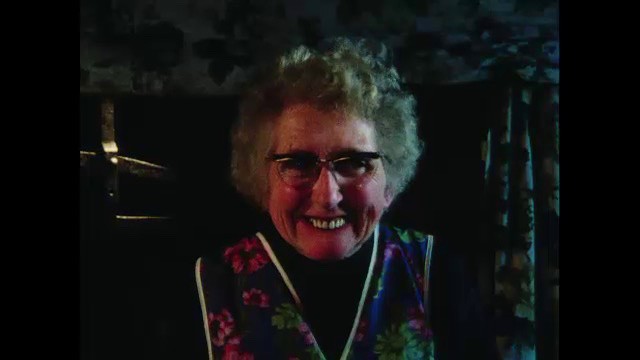
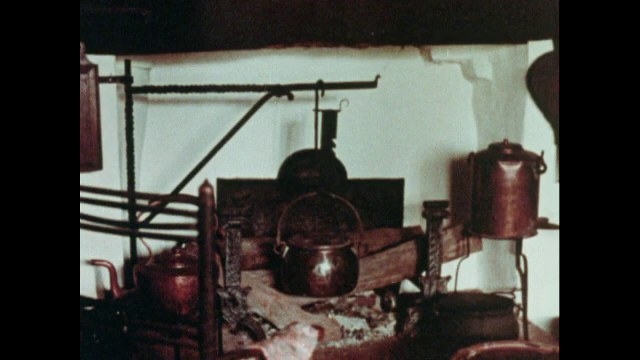
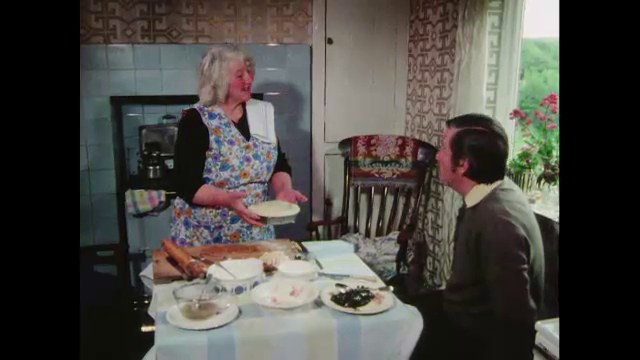
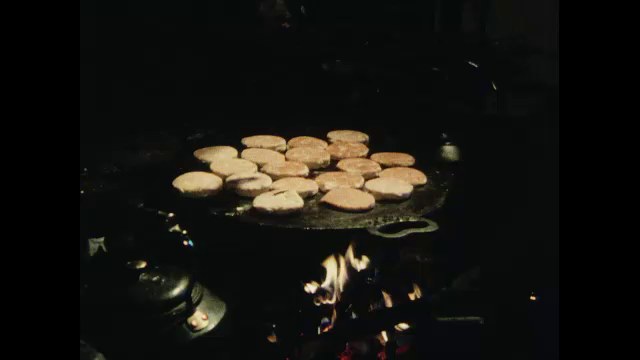
This film also carries an environmental theme. One of the sequences I am most proud of shows Anne Jones preparing and cooking a genuine Welsh cawl on an open hearth, one of the last still in use in Wales. She follows it with Welsh cakes cooked on a traditional bakestone.
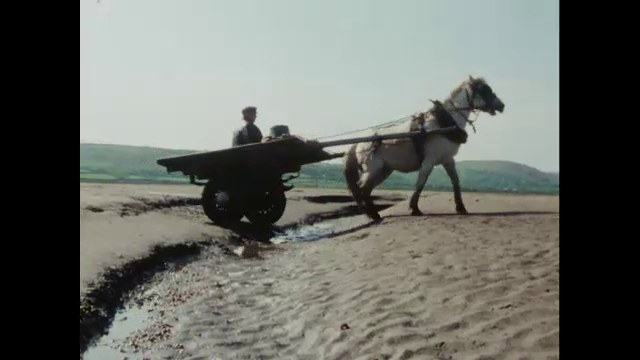
Rosie Matthews then prepares the increasingly rare Welsh delicacy of laverbread, served with a cockle pie, and the film ends with one of the last pony and cart fishing families gathering cockles at Penclawdd on the Gower coast.
View Film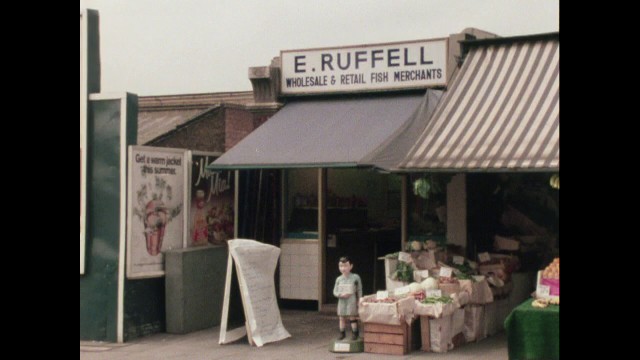
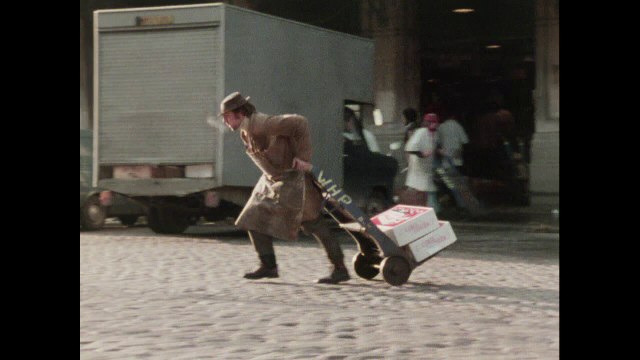
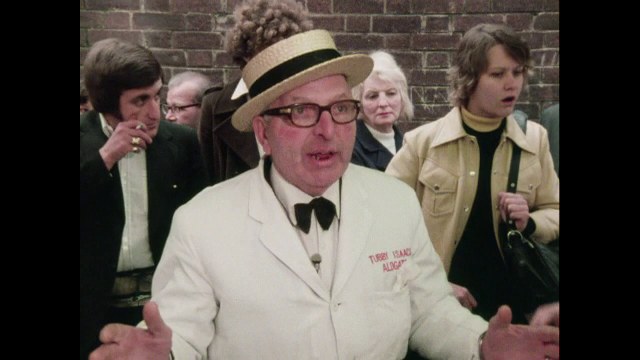
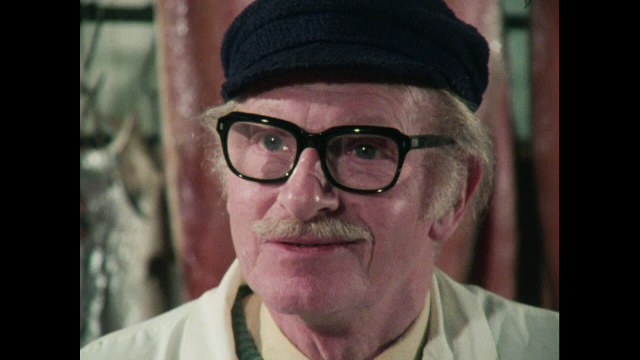
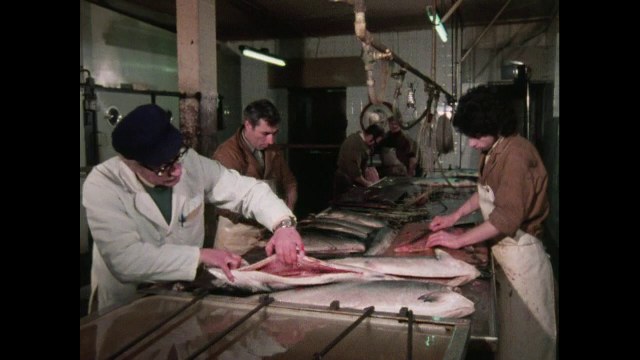
Harry Joyce owned the oldest eel and pie shop on Tower Bridge Road. It looked cosy enough, but it was not an easy place to film. Tubby Isaacs proudly sold jellied eels, while Eric Ruffell demonstrated the traditional East End method of smoking haddock.
Throughout the film, East End poverty and West End luxury are never far apart. An Arnold Bennett omelette at the Savoy and oysters at Wiltons in Jermyn Street tell a story about class as much as they do about food.
View Film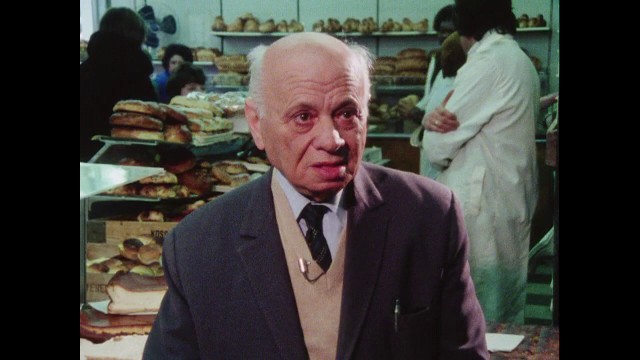
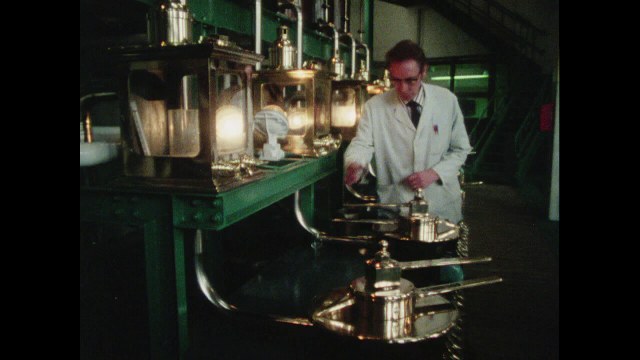
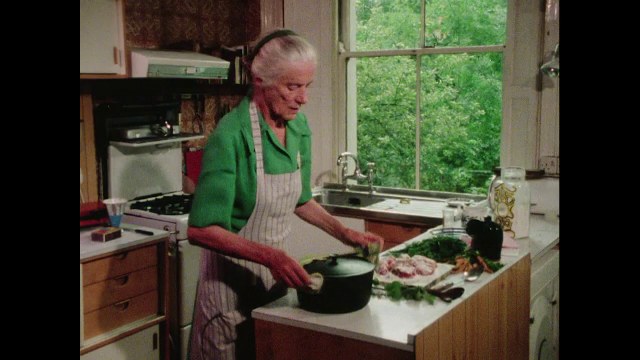
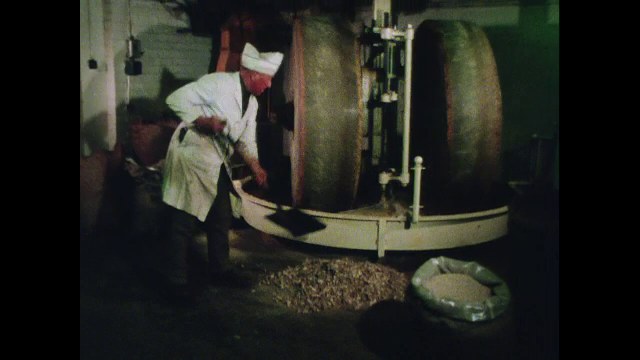
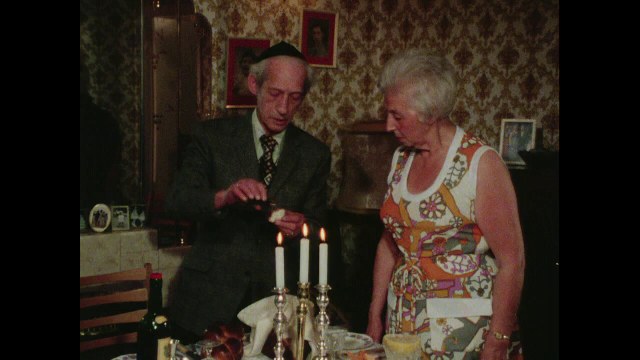
Docklands has always been the heart of the East End. For centuries, refugees fleeing persecution arrived here and brought with them foods we now think of as our own.
The French Huguenots gave us oxtail soup, while Jewish immigrants brought an entire culinary tradition of their own. The film ends in a typical gin palace, where I explored the role of gin — or blue ruin — in working class life.
View Film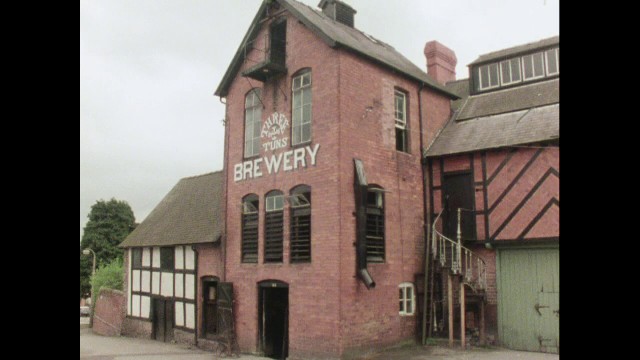
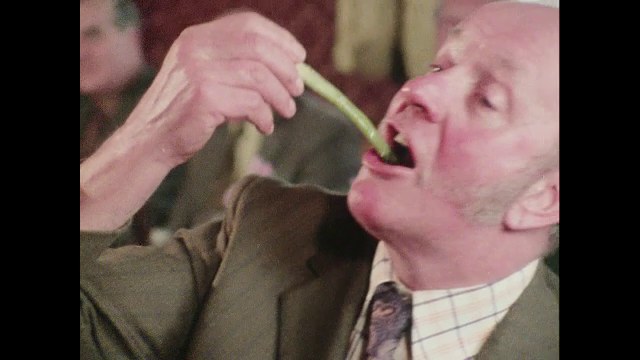
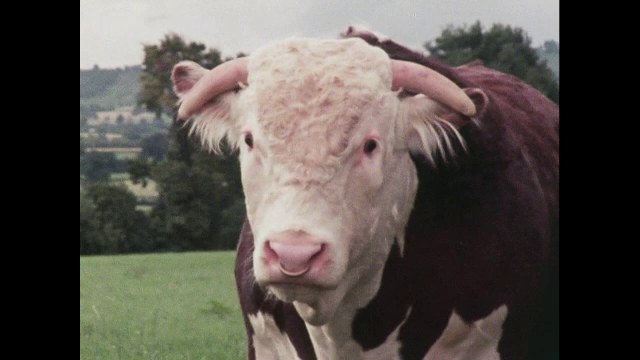
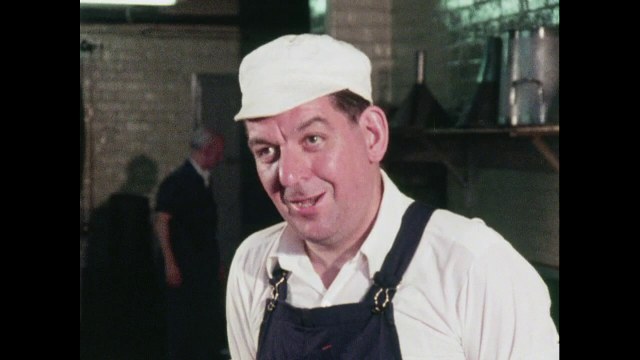
I began this film on the Malvern Hills. Looking west, you could see Herefordshire, with its white-faced cattle, hop fields and one of the oldest pubs in England still brewing its own beer. Looking east, there was Worcester and the fascinating story behind Worcestershire sauce.
However hard we tried, we could not persuade head sauce maker Ken Monk to reveal the recipe. There was also Phil Gaskins, the last lamprey fisherman on the River Severn, Mrs Packwood cooking them in Tewkesbury, and Roland Bird growing asparagus near Evesham.
View Film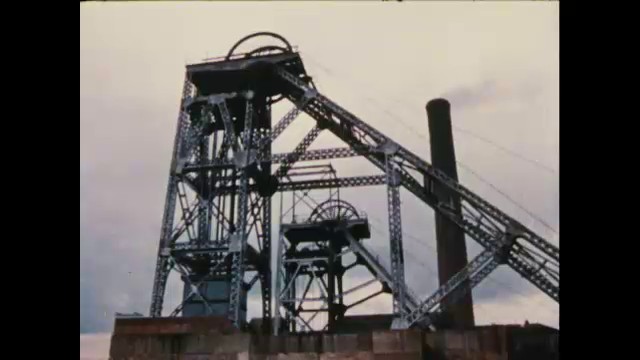
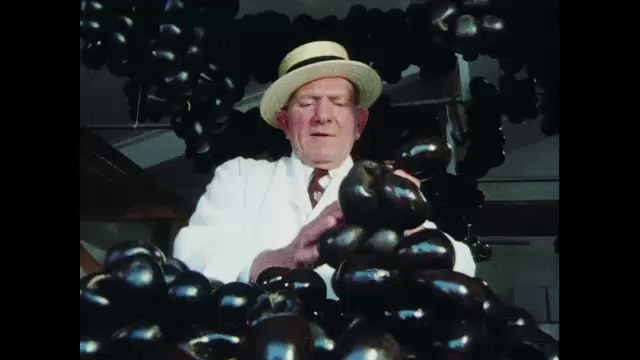
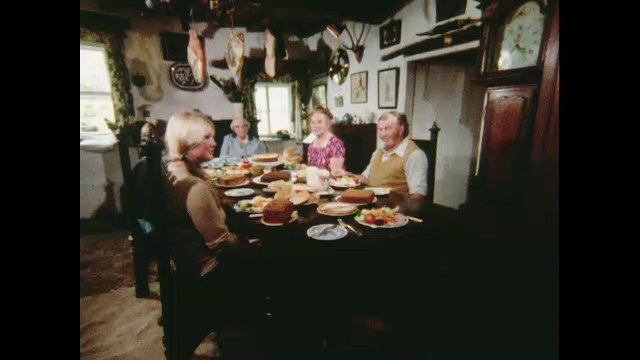
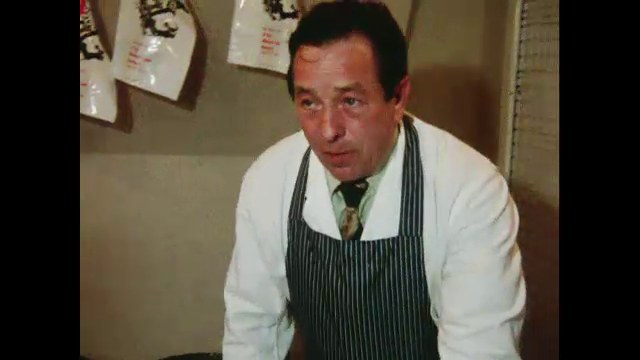
Much wealth was created in the West Riding, but the miners and millworkers rarely shared in it. I wanted to show those harsher realities. There is tripe and there is blood, but Albert Hirst’s pride in his black puddings says it all.
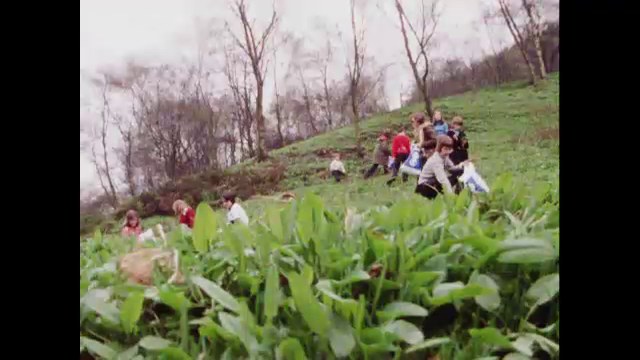
There is pride, too, in baking and in Yorkshire puddings. One of the moments that touched me most was filming children near Hebden Bridge picking dock leaves beside the railway.
View Film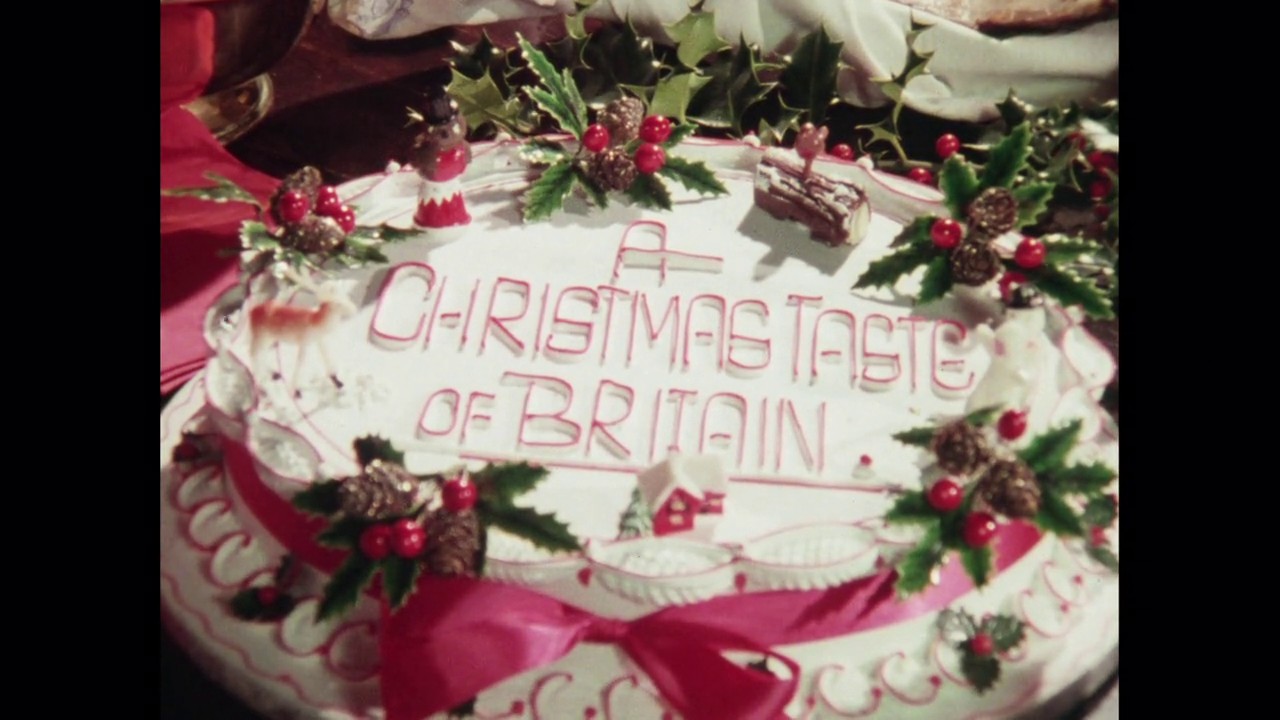
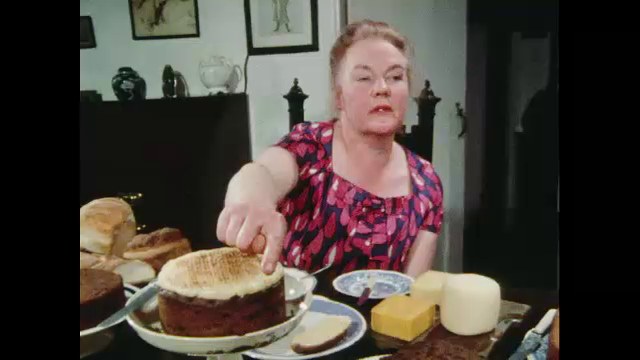
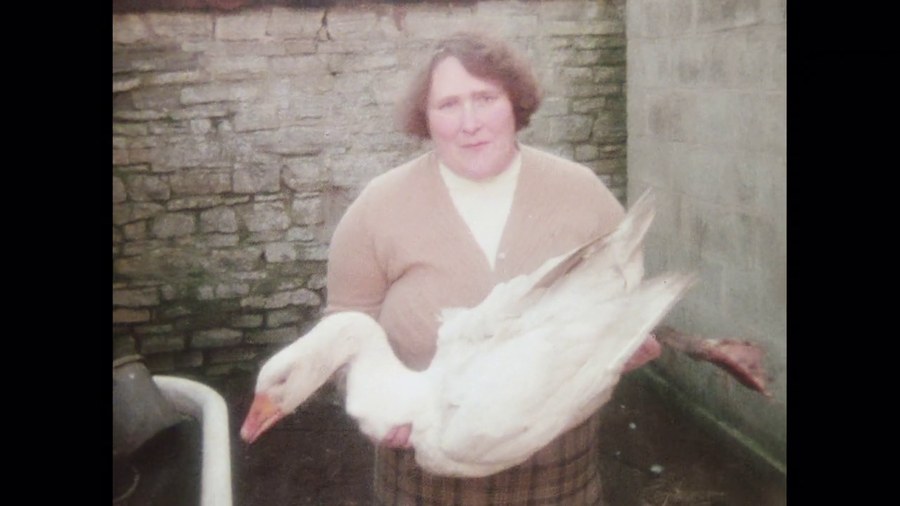
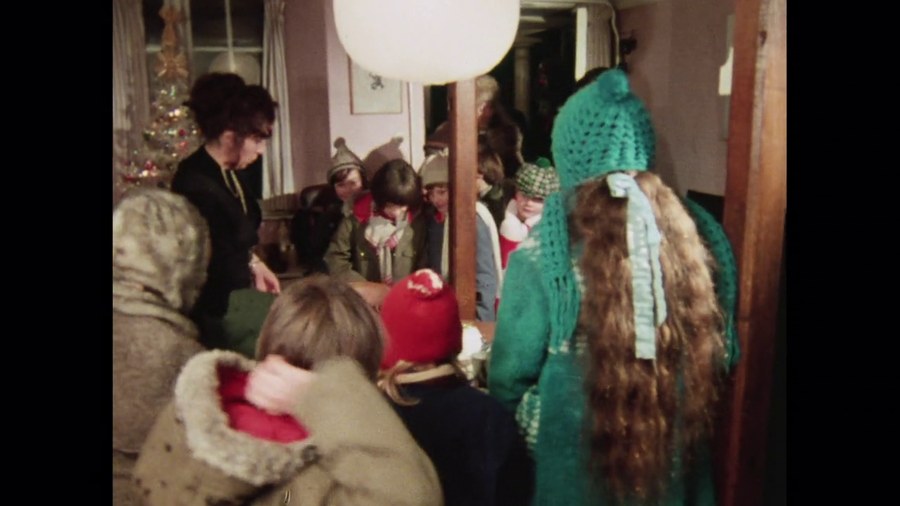
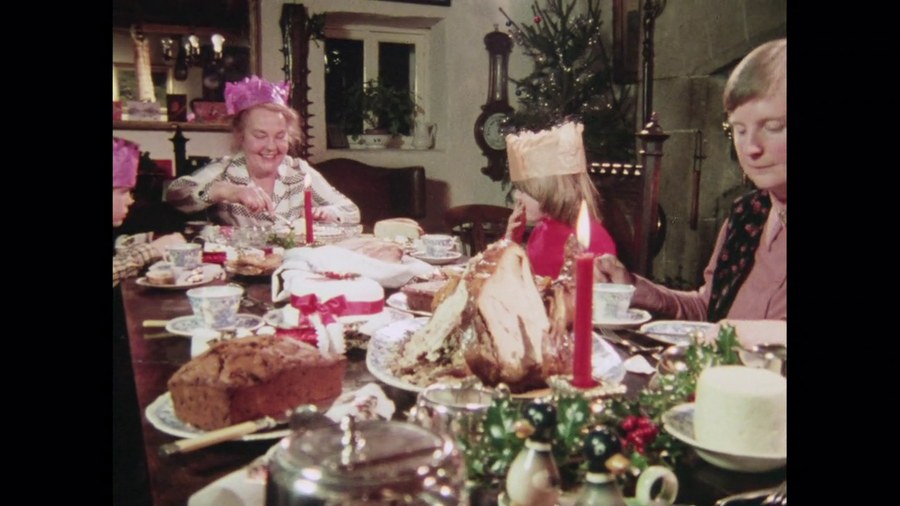
Food and festivals have always gone together. Although I acknowledge the extraordinary abundance of the Harrods food hall, my real interest lay in the way ordinary people in the countryside celebrated Christmas.
The film intercuts two wonderful families: the Gwatkins of Minsterworth in Gloucestershire and the Walkers of Appletreewick in the Yorkshire Dales. At its centre is one of my favourite sequences: the cook and food writer Jane Grigson entertaining local carol singers with a table full of spiced Christmas treats.
I am all for progress, but I hope Britain keeps not only its traditions but also the values that accompany them.
View Film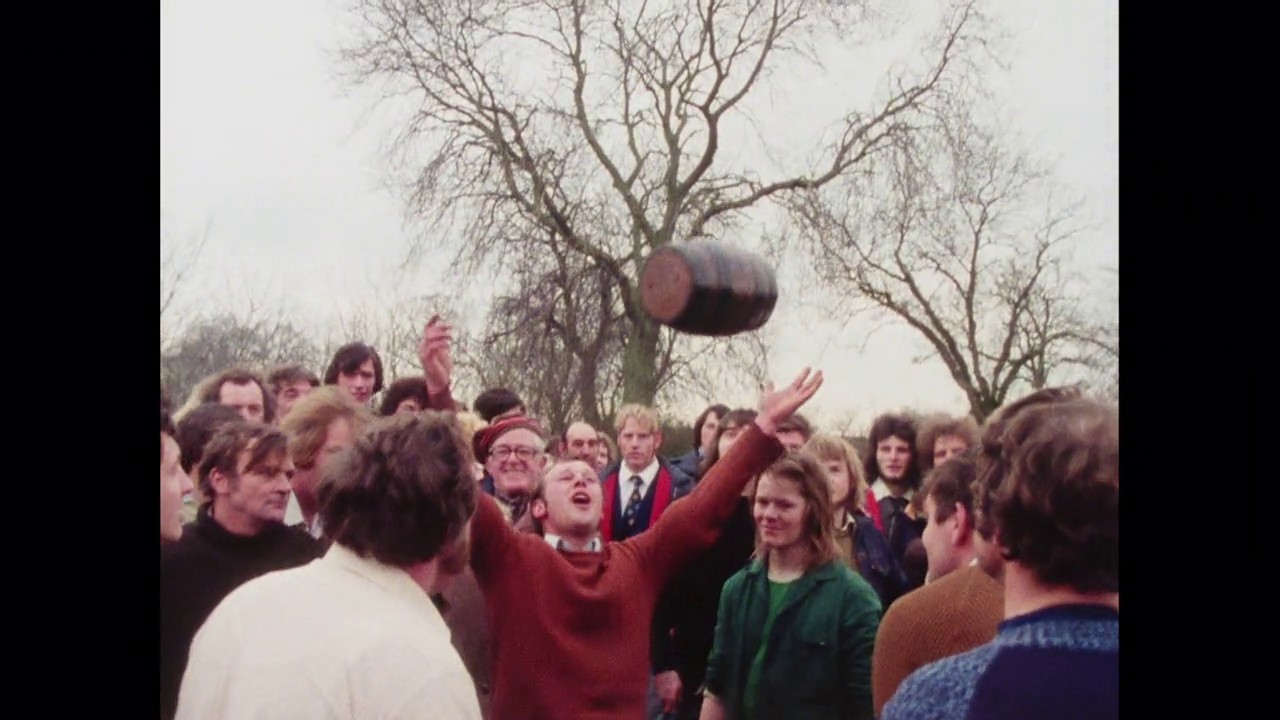
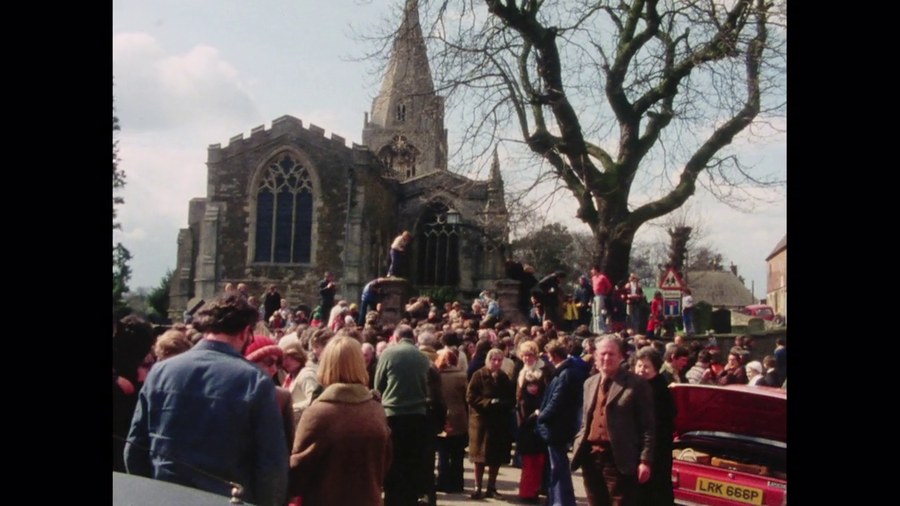
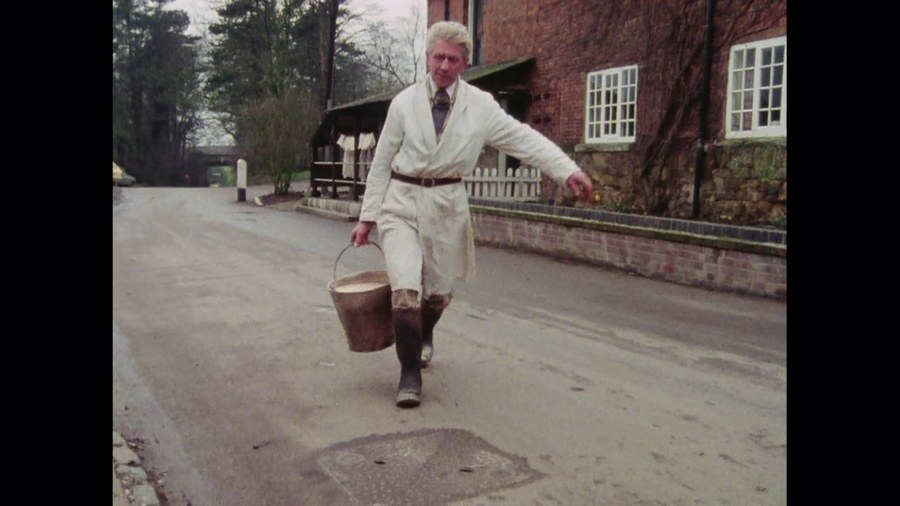
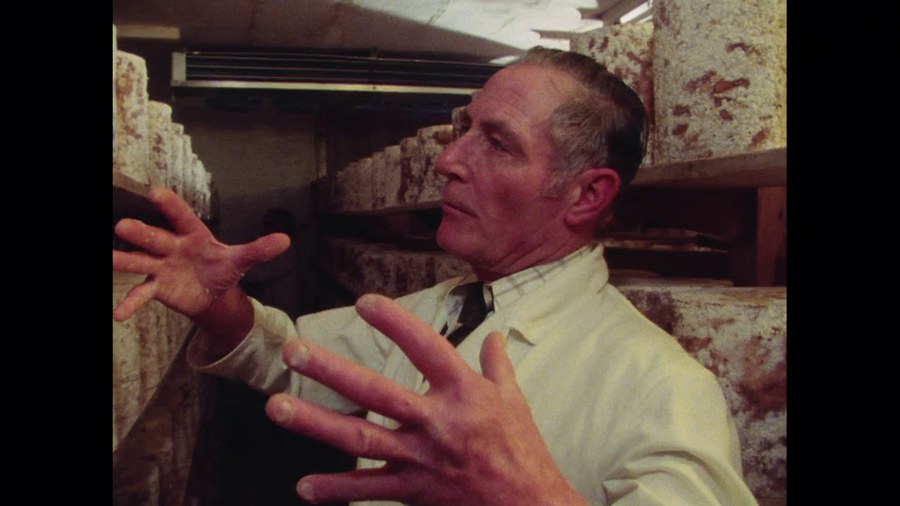
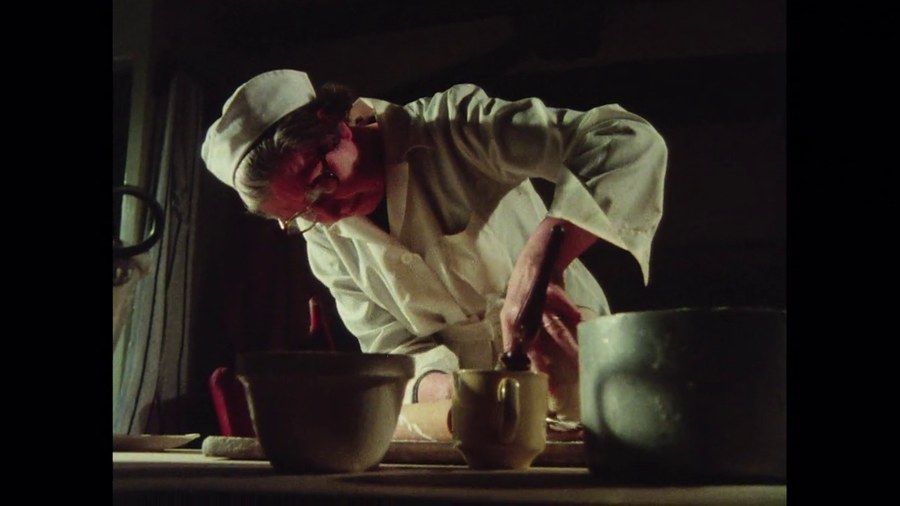
This is very much a film of its time. It includes fox hunting, which interested me because of its imagery and cultural associations rather than because of the hunt itself, which I disliked. My real fascination lay in the traditional moulds used to make proper Stilton cheese and in discovering what made Melton Mowbray pork pies unique.
The film concludes with the extraordinary spectacle of hare pie scrambling and bottle kicking at Hallaton. I researched and filmed this episode but did not edit it as I had left to join LWT.
View Film